How Heat Treatment Can Eliminate Bed Bugs: Critical Equipment and Inspection Methods
Heat treatment remains a reliable solution for eliminating bed bugs. By increasing temperatures beyond 120°F, it eliminates all life stages, including eggs. Essential equipment, such as thermal imaging cameras and fans, serves a key function in achieving effective results. However, thorough inspections are required to detect infestations and frequent hiding spots. Knowing these elements is fundamental to a effective treatment. Which targeted methods can improve the success of this treatment?
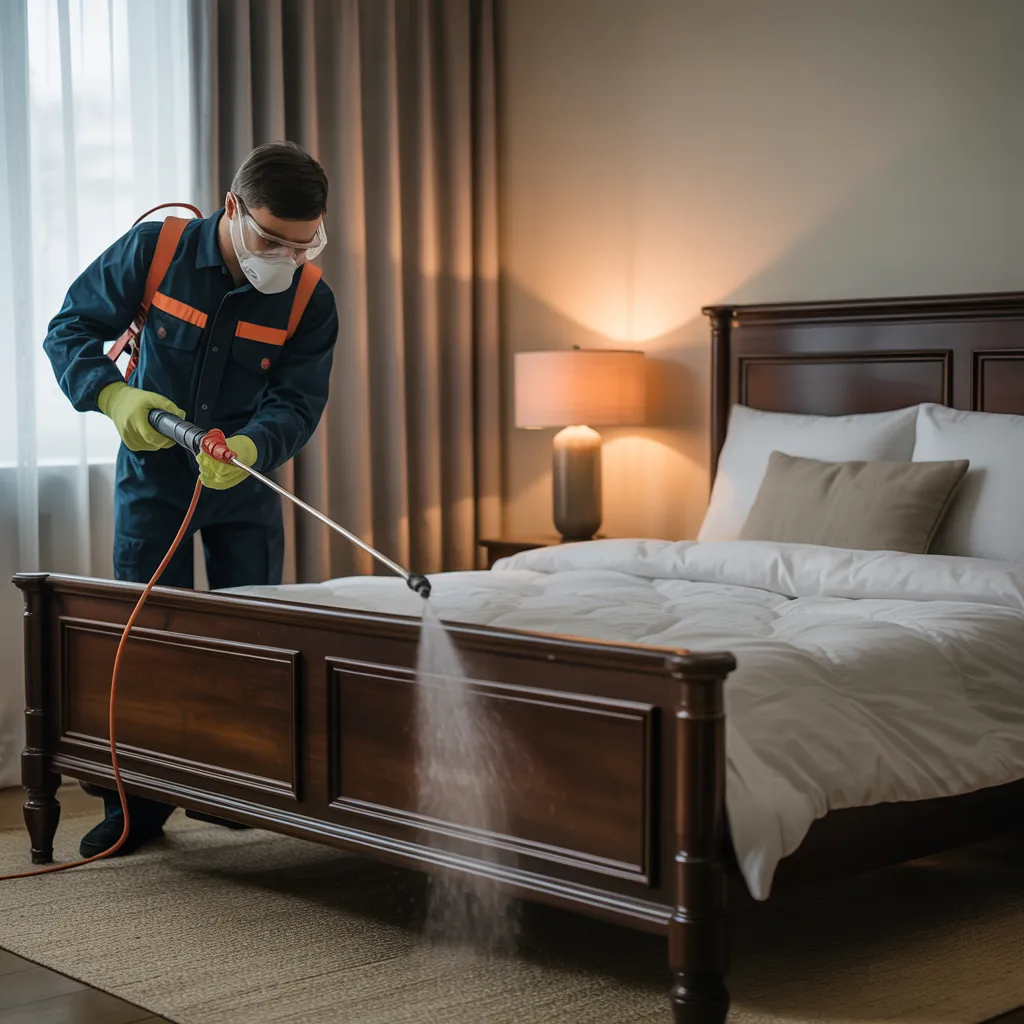
Why Heat Treatment Is the Best Solution for Bed Bug Elimination
Heat treatment stands out as one of the most effective methods for exterminating bed bugs. This technique uses high temperatures, typically between 120°F and 140°F, to eliminate every life stage of these insects, including eggs. Unlike chemical treatments, which may require multiple applications and can leave behind residues, heat treatment works its way into cracks, crevices, and furniture, ensuring thorough coverage.
Additionally, this method is eco-friendly, as it bypasses the use of toxic pesticides, making it a better choice for both homes and businesses. The efficiency of heat treatment is significant; studies show that it can kill bed bugs within just minutes of contact with fatal temperature thresholds. On top of that, heat treatment usually demands less time than older techniques, making possible more rapid treatment of bed bug problems. With these factors in mind, heat treatment stands out as a reliable solution for anyone facing bed bug issues.
What You Need for Successful Heat Treatment
Effective heat treatment for eliminating bed bugs demands thorough preparation and appropriate equipment. Necessary tools consist of high-capacity heaters able to reach temperatures surpassing 120°F, which is essential for destroying bed bugs at every stage of their life cycle. Thermal imaging devices can assist in locating thermal discrepancies, confirming that every area is properly heated. Furthermore, fans are required to efficiently circulate hot air, facilitating consistent temperature distribution across the treated area.
Safety equipment, like protective gloves and masks, is essential for personal safety during the treatment process. Accurate temperature monitoring devices, like thermal sensors, enable precise tracking of heat levels in different areas. A consistent energy source is critical, as thermal treatment may necessitate prolonged operation times. Finally, effective insulation of the treatment areas helps maintain higher temperatures for longer durations, improving results. With proper equipment and preparation, the likelihood of successful bed bug eradication significantly improve.
Discovering Bed Bug Hiding Spots Throughout Your Home
Where might bed bugs be concealed additional article in a home? These parasites are infamous for their skill at secreting themselves in a range of spots. Typical hiding places include the seams and creases of mattresses and box springs, where they are able to feed on resting residents. Bed frames and headboards additionally function as perfect hiding places, frequently containing eggs and nymphs within their cracks.
In addition to bedding, bed bugs are known to occupy furniture, particularly padded furnishings such as sofas and chairs. They can also crawl into cracks in flooring, walls, or baseboards. Disorganized spaces, including nightstands and closets, provide further opportunities for these insects to thrive.
Regular inspections of these locations can help identify infestations early. Homeowners should be vigilant, examining any suspected areas closely and considering the use of a flashlight to improve visibility. Understanding where bed bugs typically hide is essential for effective management.
Executing Heat Treatment: Step-by-Step Guide
A methodical heat treatment strategy can successfully eliminate bed bugs from affected areas. The process begins with a thorough inspection to identify the extent of the infestation and the specific areas requiring treatment. Next, all items in the affected area should be removed or covered to prevent heat loss. The room temperature must be raised to a minimum of 120°F (49°C) using specialized heaters, ensuring even distribution of heat throughout the space.
Temperature monitoring devices should be positioned to measure heat levels, as maintaining consistent temperatures is critical for success. When the required temperature is attained and sustained for no less than 90 minutes, the treatment can be deemed successful. Following the treatment, the area should be allowed to cool slowly, and a second inspection conducted to confirm the elimination of bed bugs. As a final step, any residual items must be treated or disposed of to eliminate the risk of re-infestation, confirming a complete and effective bed bug removal process.
Effective Tips to Maintain a Bed Bug-Free Space
Keeping your living space free of bed bugs demands consistent preventive steps and careful attention. Regular inspections of sleeping areas, including mattresses, box springs, and furniture, are essential to detect early signs of bed bugs. Ensuring personal belongings are kept off the floor and placing protective encasements on mattresses can substantially minimize the likelihood of a bed bug infestation.
Reducing clutter in spaces eliminates hiding spots for these pests, while consistently cleaning bedding and garments in hot water helps eliminate possible eggs and live bugs. Regular vacuuming is essential, with the vacuum bag being thrown away promptly to prevent re-infestation.
Guests should inspect lodging accommodations and store luggage away from the floor. Moreover, training all family members about recognizing bed bugs and their signs enhances overall awareness and quick response. By following these practices consistently, one can effectively maintain a bed bug-free space and minimize the chances of an infestation occurring.
Common Questions and Answers
How Much Time Does Heat Treatment Need to Get Rid of Bed Bugs?
Heat treatment generally requires around six to eight hours to completely eliminate bed bugs. The time required may vary depending on the extent of the infested space and the equipment used throughout the treatment procedure.
Are There Any Side Effects of Heat Treatment on My Belongings?
Heat-based pest control has the potential to harm fragile objects, like plastics, artwork, and electronics, because of high temperatures. That said, most household items, especially textiles and hard surfaces, generally endure the process without notable harm or permanent effects.
Can I Handle Heat Treatment Myself or Should I Hire a Professional?
Homeowners can choose to conduct heat treatment on their own or hire a professional. DIY methods may lack precision, while experts ensure thoroughness and safety. Weighing the risks and effectiveness can help identify the ideal solution for eradicating bed bugs.
What Temperature Is Needed to Eradicate Bed Bugs Effectively?
To effectively kill bed bugs, temperatures must reach at least 118°F (48°C) for a continuous period of time. Elevated heat levels, around 130°F (54°C), can provide quicker results, confirming the thorough extermination of every life stage.
How Frequently Should I Repeat Heat Treatment for Optimal Results?
Repeating heat treatments at two to four week intervals is advisable for optimal results. This routine helps guarantee any recently hatched bed bugs are destroyed, avoiding re-infestation and achieving complete pest elimination.